Fresh, Dried or Frozen Herbs: What Changes in the Pot?
Fresh, dried or frozen herbs change a dish’s aroma, texture and timing. Choose the right form for sauces, soups, salads and long-cooked meals.
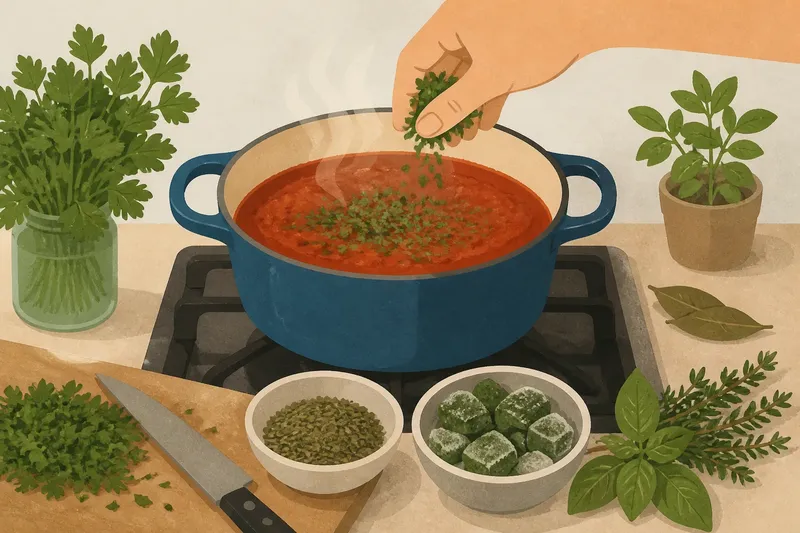
Fresh, dried or frozen herbs can give the same dish noticeably different aroma and texture, even when they come from the same plant. The practical choice depends on how much heat the herb will meet, how much liquid is in the pot and whether you want visible leaves or flavor woven through the dish.
What changes when an herb is dried or frozen?
Fresh herbs contain water and have lively, distinct aromas. Chopping them releases those aromas, but heat and long cooking can soften their character. Their leaves also retain a recognizable shape, which can add color and a tender, leafy bite.
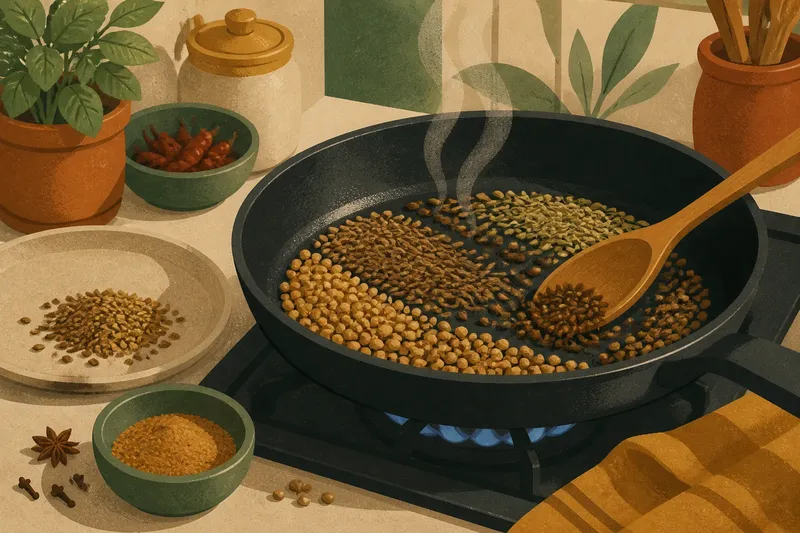
Dried herbs have lost much of their water. Their flavor is concentrated by volume, though the aroma can be less bright and more earthy or savory. Crumbled leaves disperse through a dish, and they need time in moisture and heat to soften and release their flavor.
Frozen herbs sit between those forms in useful ways. Freezing preserves much of the fresh herb’s aroma, but ice crystals damage the leaf structure. Once thawed, the leaves are usually limp and wet rather than crisp. They work well stirred into cooked food, but rarely replace fresh herbs as a neat garnish.
These differences are not a ranking. A soft, integrated herb flavor suits some dishes better than a sharp, leafy finish. Think about the result you want before choosing what is in the package.
How does cooking time affect each form?
Long, gentle cooking gives dried herbs time to hydrate and spread their flavor. Add them early to soups, braises, tomato sauces and stews. Rub the leaves between your fingers as you add them; this breaks them up and helps release their aroma.
Fresh herbs are more variable. Hardy leaves, such as rosemary, thyme and sage, can stand up to a longer simmer, especially when tied into a bundle or added as whole sprigs. Tender leaves, including basil, parsley, cilantro and dill, generally retain a fresher impression when added near the end or after cooking.
Frozen chopped herbs can usually go straight into a hot dish. Their moisture may loosen a thick sauce slightly, so add them before the final adjustment of seasoning or consistency. A small amount stirred in at the end can give a cooked dish a fresher note without leaving the leaves firm.
For a dish that cooks quickly, such as scrambled eggs or a pan sauce, fresh or frozen herbs are often easier to place accurately. Dried leaves may not have enough time to soften, leaving a dusty or papery texture. If dried herbs are all you have, crush them finely and add them early enough to meet moisture and heat.
Which form suits the dish?
- Soups and stews: Dried thyme, oregano, bay leaves and rosemary suit a long simmer. Add tender fresh herbs just before serving for a brighter finish.
- Salads and uncooked sauces: Fresh leaves give the best leafy texture. Frozen herbs can work in a blended dressing, where their soft texture disappears into the mixture.
- Roasted vegetables: Fresh sturdy sprigs or dried herbs can flavor the vegetables as they cook. Add delicate chopped leaves after roasting to keep their aroma noticeable.
- Compound butter and dips: Finely chopped fresh herbs add color and texture. Frozen herbs are convenient in soft mixtures, while dried herbs suit dips that can rest long enough for their flavor to spread.
- Marinades: Dried herbs disperse readily through oil and other liquids. Fresh herbs add a more visible, leafy quality; remove large sprigs before serving if their texture is unwelcome.
Imagine you are making a quick tomato sauce and have dried oregano, frozen basil and a fresh parsley bunch. Stir the oregano in as the sauce begins to simmer, add a little frozen basil near the end, then scatter chopped parsley over the plated pasta. The sauce gets a settled herbal base, with a softer basil note and a fresh, visible finish.
How much should you use?
A dried herb is more concentrated by volume than a fresh leaf, so replacing fresh herbs with dried ones cup for cup can overwhelm a dish. A common starting point is one part dried herb for about three parts fresh, then adjust by taste. Treat that as a rough conversion, not a fixed rule: leaf size, age, variety and how tightly a measure is packed all matter.
Frozen herbs are often sold chopped or portioned, which makes them easier to dose than a loose bunch, but the package may contain different amounts of leaf and moisture. Begin modestly, stir, then taste after the herbs have warmed in the dish. Add more only if the flavor needs it.
When substituting, consider the herb’s role, not just its name. A spoonful of dried oregano can blend into a simmering sauce, while a mound of fresh parsley is often there for color and a fresh, leafy impression. If you use dried parsley instead, the dish may still taste seasoned, but it will not look or feel the same.
How can you choose the right herb form?
Can dried herbs replace fresh herbs in a recipe?
Often, especially in soups, sauces and other dishes that cook long enough to soften dried leaves. Use less than the stated fresh amount, add it early, and adjust after tasting; the aroma and texture will still differ.
Should frozen herbs be thawed before cooking?
Usually not for a hot dish: stir them in frozen and let them warm through. For a cold sauce, thaw only the amount needed and account for the moisture they release.
When should fresh herbs go into a pot?
Add sturdy herbs earlier if you want their flavor to infuse a long cook. Add tender herbs near the end or at serving so their aroma and leaf texture remain easier to notice.
Why do dried herbs sometimes taste dusty?
They may be old, added too late to hydrate or left in large, tough pieces. Crush them before use and give them time in a moist dish; if the jar smells faint, the herb may contribute little aroma.
What should you check before using a pack?
Look at the herb’s appearance and smell, not just the form printed on the front. A dried herb should have a recognizable aroma when you open the jar, rather than smelling faint or stale. Fresh leaves should look reasonably lively, without extensive dark, slimy or damaged patches. Frozen herbs should remain frozen and be easy to portion; a solid, repeatedly thawed-looking clump can be hard to use neatly.
Storage affects flavor in every form. Keep dried herbs sealed away from heat, light and steam from the stove. Store fresh bunches according to their needs, often loosely wrapped in the refrigerator, and use them before the leaves deteriorate. Keep frozen herbs closed in the freezer and return the package promptly after portioning.
For a recipe that depends on a precise herb form, follow its directions first. Otherwise, choose based on the dish: dried for a long, moist cook; fresh for a distinct leafy finish; frozen for convenient, cooked-in flavor when fresh herbs are not on hand.
Fresh, dried or frozen herbs are not interchangeable in every respect, but you can often substitute one for another by changing the amount and timing. For the best fit, decide whether the dish needs aroma, soft seasoning or visible leaves, then add the herb where its texture and flavor can do that job.